Tampico Kitchen Brushes
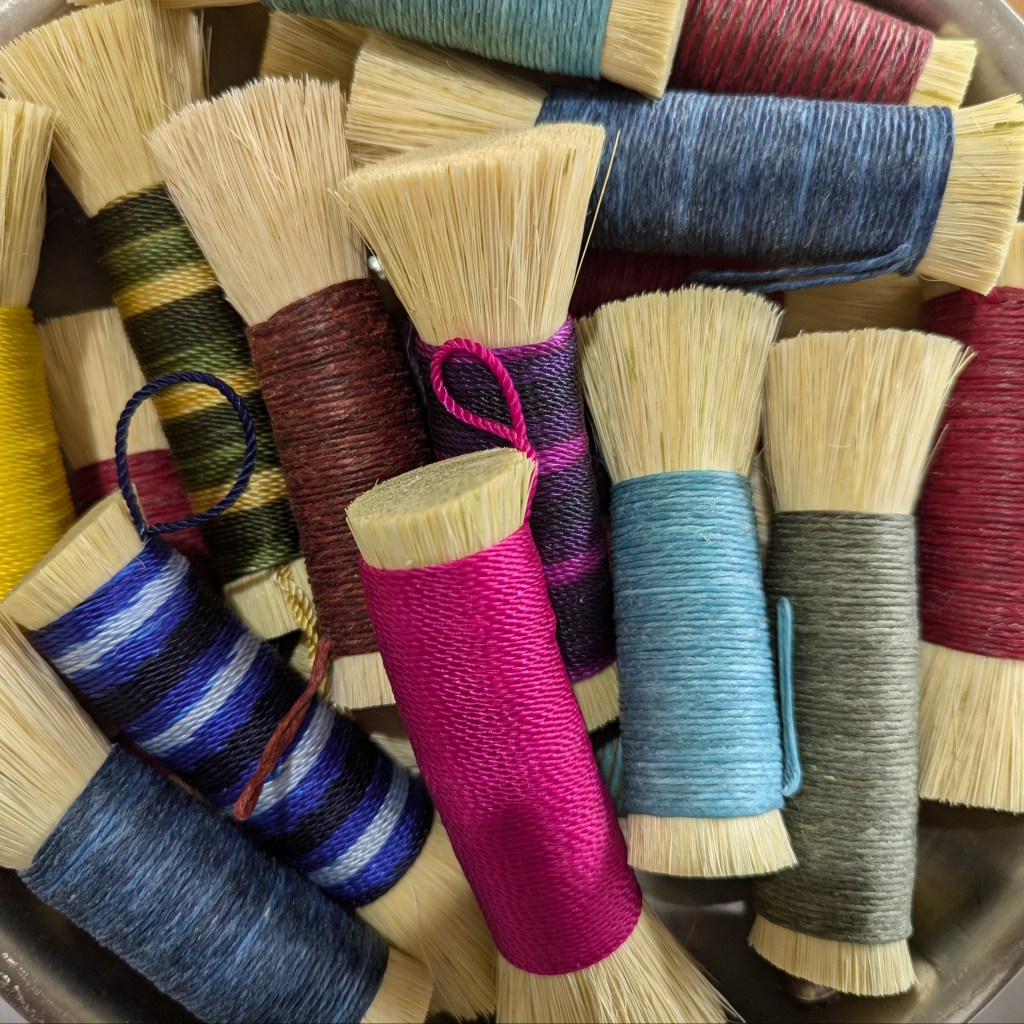
Tampico is a natural brush fiber that comes from agave leaves. It has a phenomenal scrubbing texture, and these brushes work well as everyday dish brushes, vegetable scrubbing brushes, or mushroom brushes. Other uses that have been found for them include cleaning coffee grinders, brushing letterpress tiles, and even adding texture to ceramics.
As a natural fiber, tampico can get funky if not allowed to dry after use. Hang your brush or stand it on the bristle end on a dry surface. An overnight soak in a small bowl of white vinegar can refresh the top of your brush if needed. If you use your brush with dish soap, it won’t require any additional cleaning; just rinse it after use and allow it to dry between uses. If your brush does get dirty or greasy, apply a small amount of dish soap and scrub it against your hand or the sink. I have used one of these scrub brushes daily for well over a year, and many customers have similarly reported using theirs for a full year.
Broomcorn Pot Scrubbers
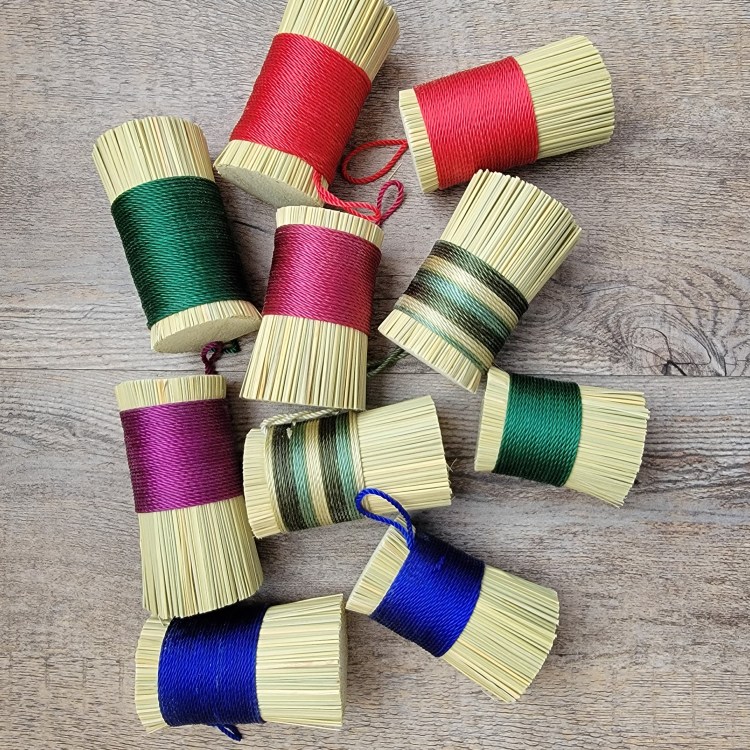
These pot scrubbers are made from broomcorn ends; they are tied tight and cut short to create a tough scrubbing surface. They work well on cast iron and can be used in place of a scouring pad on cast iron or stainless-steel cookware. Add coarse sea salt for even tougher scrubbing. Some folks also like them for scrubbing thick-skinned vegetables like potatoes and carrots.
Your scrubber should be allowed to dry when it is not in use. It can be hung or stood on the bristle end on a dry surface. Most often, your scrubber should only need to be rinsed after use; if it greasy, apply a small amount of dish soap and scrub it with a dish brush or dishcloth. The lifespan of your scrubber depends on how it is used; broomcorn ends are brittle and will naturally break when used to scour stuck-on messes.
Whisk Brooms
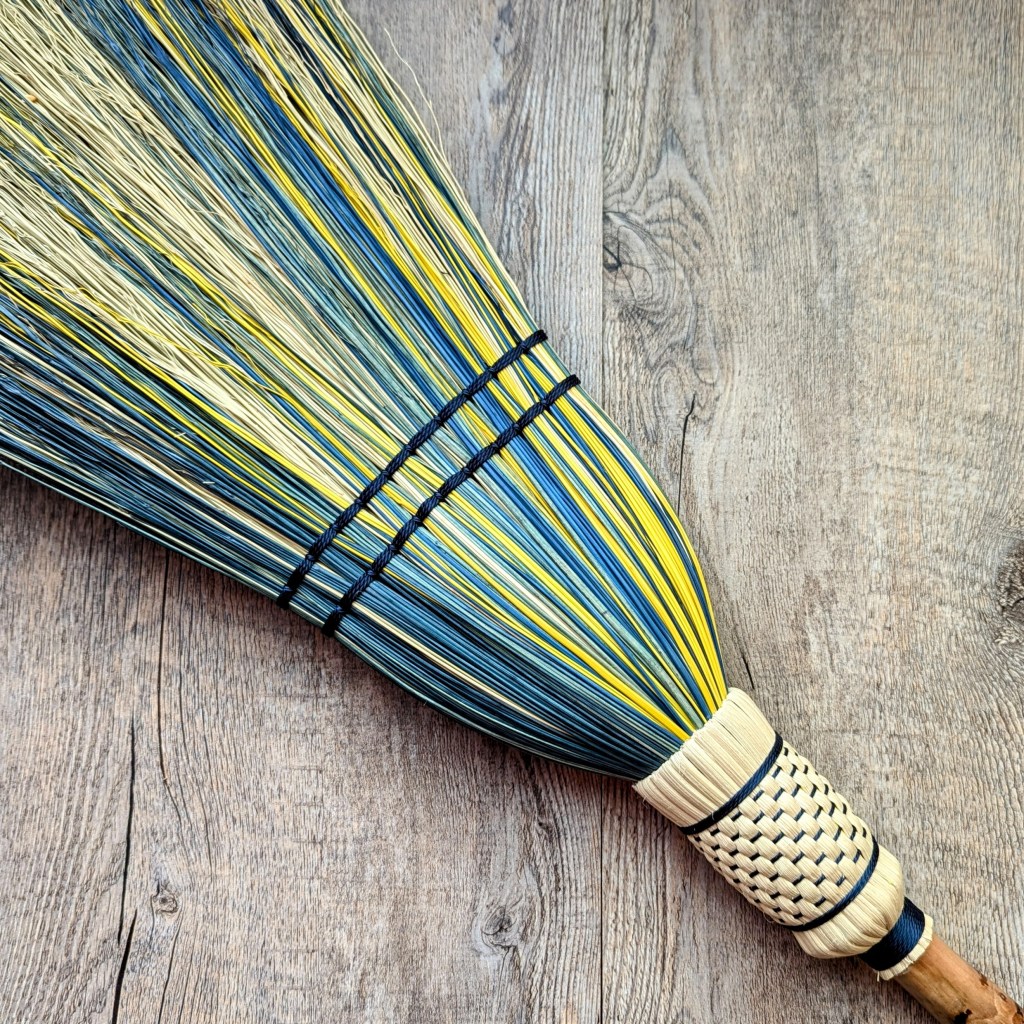
Whisk brooms have a myriad of uses. I use one in my workspace to sweep my worktable and desk, and I keep another one in the kitchen to clear up small messes. Some folks like to keep a small whisk broom in the car, and of course many people in Maine have the need for a good hearth broom. A small whisk broom makes a great addition to a toolbox, whereas larger ones can help you keep your mudroom or even front porch clean and clear.
Whisk brooms should generally be hung or laid flat in a dry place when not in use. Both broomcorn and tampico can get wet (e.g. if used to sweep up damp leaves), and both need to be allowed to dry completely afterward. Dyed broomcorn will retain its vibrant color for longer if it is kept out of direct sunlight.
Broomcorn Sweepers
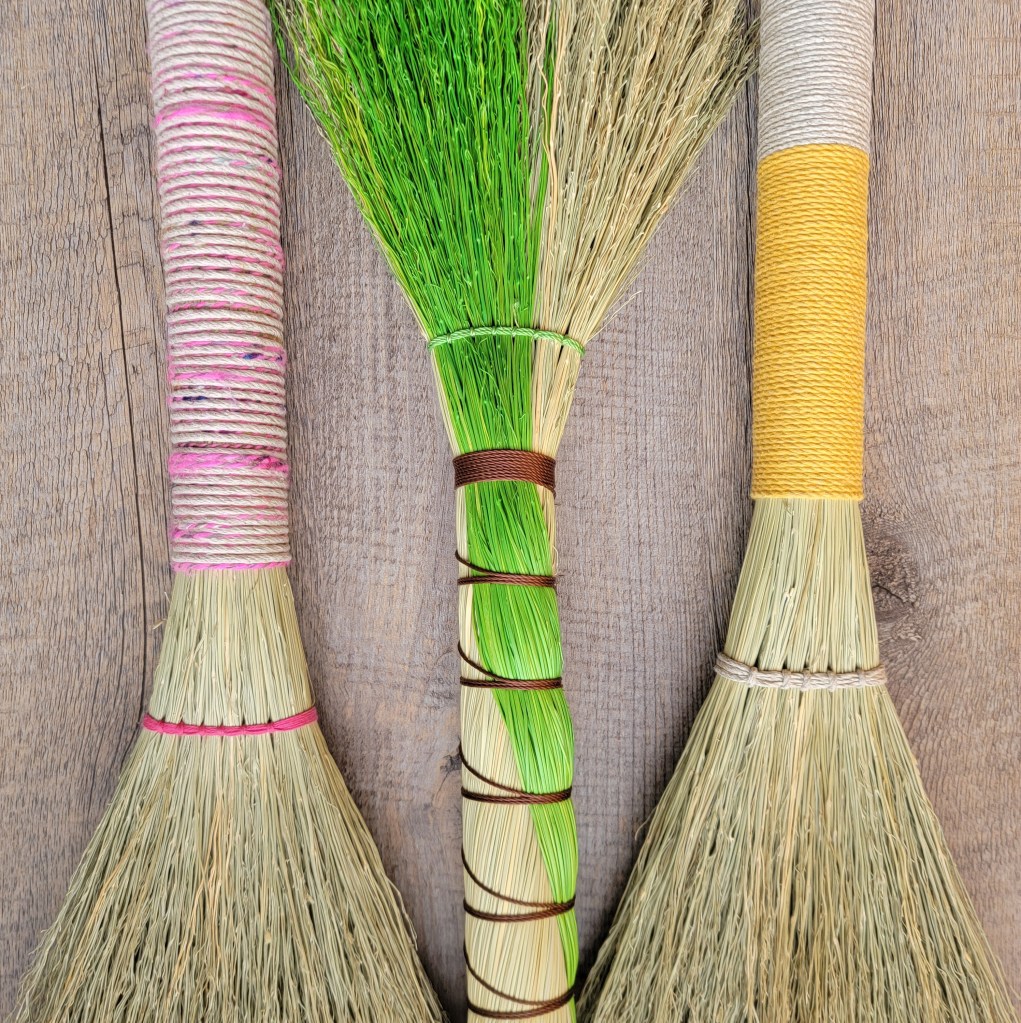
Sweepers should be hung or stood on the handle–not on the bristle–when not in use. Your broom should be stored indoors but can be used to great effect outside; give it a try on wet leaves or dry snow. While broomcorn can get wet without harm, it needs to be allowed to dry completely to avoid the natural fiber mildewing and should be stored in a dry area. If you live in a particularly arid environment (not Maine!), you may find that your broom gets too dry and brittle after a while. If so, you can rehydrate your broom by soaking the bottom 6 inches or so in a bucket of warm water for 20 minutes and then allowing the broom to dry. Dyed broomcorn will retain its vibrant color for longer if it is kept out of direct sunlight.
Get In Touch
RedmondPhilbert@gmail.com
(207) 200-5480
 Redmond Philbert Handwork LLC